
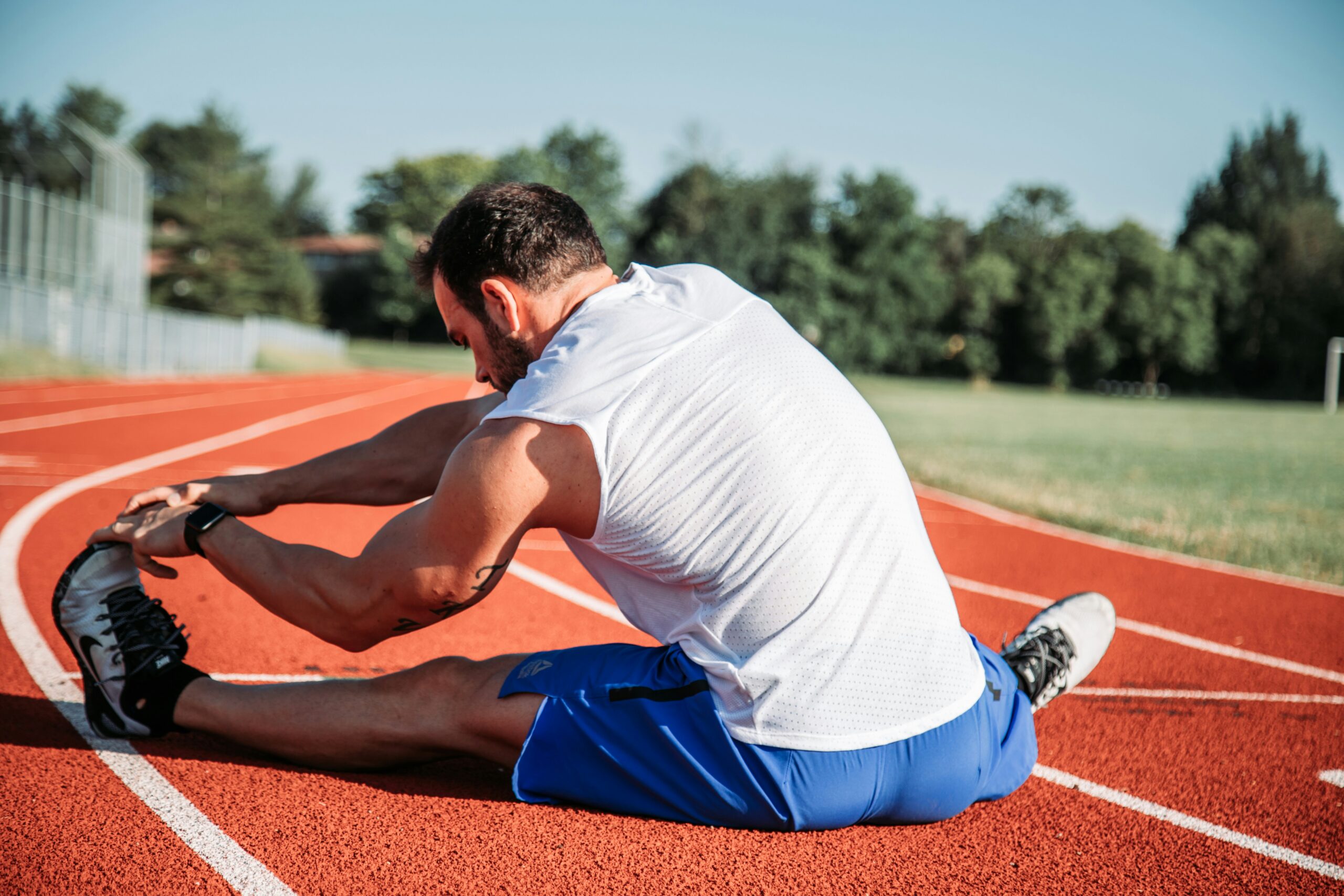

Whether you’re a student heading into a new season, a parent shuttling kids to practice, or a weekend warrior who only remembers they have hamstrings on Saturday morning, the same truth applies: the work that keeps you in the game happens long before you ever step onto the field.
That’s the message from two sports medicine physicians at Florida International University’s Herbert Wertheim College of Medicine and Baptist Health Orthopedic Care — doctors who patch up some of South Florida’s elite professional athletes. The reassuring part? The strategies they use with the pros aren’t secret, expensive, or complicated. They’re the same basics that work for a 9-year-old at soccer practice and a 45-year-old chasing a pickleball comeback.
Here’s how the experts say you can dodge the most common preventable injuries.
Warm Up Like You Mean It (Dynamic, Not Static)
The single most common way people get hurt is also the most avoidable: jumping straight into intense activity with cold muscles.
A proper warm-up gradually increases blood flow, raises your body temperature, improves flexibility, and lowers your risk of sprains and strains. According to the American Academy of Orthopaedic Surgeons, warming up and cooling down are among the most effective steps you can take to stay injury-free.
“No matter what your sport, a dynamic warm-up is essential before hitting the field or court,” says Dr. Michael Swartzon, a sports medicine physician with Baptist Health Orthopedic Care, associate professor at FIU Medicine, and team physician for the Miami Dolphins, the Florida Panthers, and Inter Miami CF. “By using active movements that mimic your sport — such as leg swings, arm circles, and light jogging — you prepare your muscles, ligaments, and tendons for the actual stress of competition.”
The key word there is dynamic. Swartzon notes that static stretching — the classic “reach and hold” — is best saved for after activity. Before you compete, the goal is movement that elevates your heart rate and gets blood flowing. (Research summarized by Harvard Health backs this up: warm muscles respond far better than cold ones.)
How to warm up at every age
- Young kids: Disguise it as play. A round of tag or follow-the-leader gets little bodies moving without anyone realizing it’s “exercise.”
- Teens and competitive athletes: Run sport-specific drills that fire up the primary muscle groups you’ll actually use.
- Adults (especially the desk-bound): Give yourself a full 10–15 minutes. Swartzon says he constantly sees injuries in adults who go from a sedentary week straight into high-intensity weekend activity. Ten minutes now beats ten weeks of physical therapy later.
Hydration Isn’t Optional — It’s Injury Prevention
If you think hydration is just a performance thing, the experts want to change your mind. In heat and humidity, it’s a genuine safety issue. Dehydration can trigger muscle cramps, dizziness, and heat-related illnesses like heat exhaustion or heatstroke — conditions the CDC takes seriously enough to publish standalone guidance on.
“Thirst is actually a late indicator of dehydration. By the time you feel thirsty, your body is already in a fluid deficit,” says Dr. Gautam Yagnik, an orthopedic sports medicine surgeon who specializes in arthroscopic shoulder, elbow, and knee surgery at Baptist Health Orthopedic Care. Yagnik is an assistant professor at FIU Medicine and also serves as team physician for the Miami Dolphins and Florida Panthers.
“Proper hydration ensures that your joints remain lubricated and that nutrients are efficiently transported to working muscles,” Yagnik explains. His advice: drink consistently before, during, and after activity — don’t wait for your body to send the thirst signal, because by then you’re already behind.
Hydration guidelines by age
Kids under 12: Young children often don’t notice they’re getting dehydrated, so parents should schedule water breaks rather than waiting for requests. Offer three to five ounces every 15–20 minutes during activity. Water is fine for anything under an hour; for longer sessions, a drink with carbohydrates helps. A quick check: urine that’s clear to pale yellow signals good hydration.
Teens and adults: Drink 17–20 ounces of water about two hours before exercise, then seven to 10 ounces every 10–20 minutes during activity. Teens are still developing their ability to regulate body temperature, so they sweat more and overheat faster than adults.
For any activity longer than an hour, electrolytes matter. “When you sweat, you’re losing minerals such as sodium, potassium, and magnesium, which are essential for nerve function and muscle contraction,” says Yagnik. “Replenishing those minerals with an electrolyte-based beverage can help maintain performance and prevent cramping.” The American Council on Exercise offers similar guidance on when to reach for a sports drink versus plain water.
The Right Gear, Properly Fitted
Good equipment absorbs impact and protects the vulnerable parts of your body — but only if it actually fits. Ill-fitting gear can create more risk than it prevents.
“Hand-me-down gear that is too large or too small can easily create more risk than it prevents,” Swartzon warns. “Helmets, pads, and footwear must be checked for a secure fit at the start of every season. A helmet that shifts around on a child’s head won’t provide adequate protection during a sudden fall or collision.”
A few things the experts flag:
- For kids: Fit is everything. Check that all protective equipment sits snugly and matches your child’s size and sport — every season, since kids grow fast.
- For teens: Use sport-specific gear without shortcuts — shin guards for soccer, mouthguards for basketball and football, and footwear matched to the playing surface.
- For weekend warriors: Your shoes are doing more than you think. Running shoes aren’t built for the side-to-side motion of tennis or pickleball, and wearing them for those sports raises your ankle-sprain risk.
And replace worn-out shoes before they look destroyed. “Worn-out running shoes lose their cushioning and support, which quickly contributes to stress fractures and joint pain,” Swartzon says. His tip: track your mileage instead of waiting until the shoes look dirty. Most footwear experts, including the team at the American Academy of Podiatric Sports Medicine, suggest replacing running shoes every 300–500 miles. That one habit prevents some of the most common overuse injuries out there, like plantar fasciitis.
When to Stop Toughing It Out and See a Doctor
A little soreness after a workout is normal. What’s not normal — and shouldn’t be pushed through — is ongoing pain, swelling, joint instability, numbness, difficulty bearing weight, or any sign of heat illness. Those are your body’s way of telling you to stop and get checked out.
The tricky part is that some injuries feel like “just soreness” until they aren’t. Shoulder injuries are a classic example: a rotator cuff problem can start as a dull ache you shrug off for months, and delaying evaluation can turn a manageable issue into one that needs surgical repair. If you’re dealing with persistent shoulder pain, weakness lifting your arm, or pain that wakes you at night, it’s worth seeing a specialist early — for readers on the West Coast, a fellowship-trained rotator cuff repair surgeon in San Diego can assess whether you’re looking at rest and rehab or something more.
The general rule the FIU physicians follow: if symptoms are severe or simply aren’t improving, get professional medical attention. The National Athletic Trainers’ Association and most sports medicine clinics agree that early evaluation almost always beats waiting — the athletes who recover fastest are usually the ones who didn’t try to play through a red flag.
The Bottom Line
None of this is glamorous. Warming up, drinking water on a schedule, checking your shoes, and knowing when to rest aren’t going to trend on social media. But they’re exactly what keeps professional athletes on the field — and they’ll do the same for you, your kids, and your Saturday-morning pickup game.
Prep a little before you play. Your future self (and your joints) will thank you.
This article is for general informational purposes and is not a substitute for professional medical advice. The clinical guidance above is drawn from sports medicine physicians at FIU Medicine and Baptist Health Orthopedic Care. If you’re dealing with a specific injury, consult a licensed healthcare provider.