
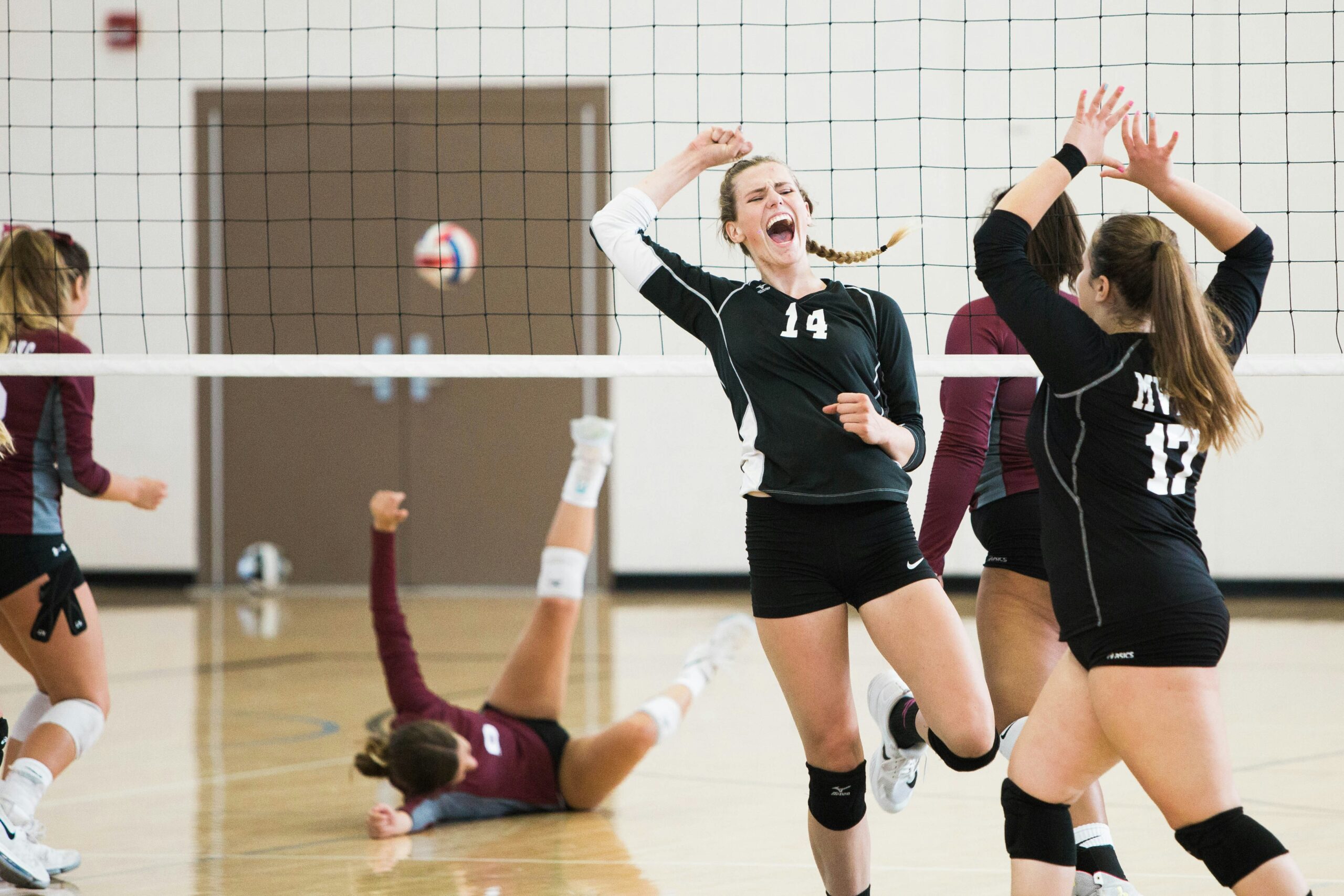

Football gets almost all the attention when the topic is youth concussions — but the CDC’s own data tells a broader story, one that matters for parents whose kids play soccer, cheer, wrestle, or run cross country.
According to the CDC’s HEADS UP program, about 70% of emergency department visits for sports-related traumatic brain injuries among children involve kids age 17 and under. Boys visit the ER for these injuries at roughly twice the rate of girls overall — but that statistic hides an important detail: in sports that both boys and girls play, like soccer and basketball, girls actually show higher concussion rates than boys.
It’s Not Just Contact Sports
Contact sports — football, basketball, and soccer combined — account for 45% of all youth sports-related ER visits for brain injuries, according to CDC data. That’s a meaningful share, but it also means more than half of these injuries happen elsewhere. The mechanisms vary a lot by sport: heading the ball in soccer, stunts and pyramids in cheerleading, takedowns in wrestling, checks in hockey, and collisions in lacrosse are all documented causes.
Football does carry the highest per-sport concussion rate among boys, and tackling specifically causes almost two out of three concussions in high school football, per CDC figures. But treating football as the only sport worth worrying about means missing a large share of the actual risk.
Warning Signs Every Parent and Coach Should Know
A concussion doesn’t require a loss of consciousness to be serious — in fact, most don’t involve one. Common signs include headache, confusion, dizziness, sensitivity to light or noise, nausea, and slowed reaction time. In younger kids, watch for irritability, changes in play or eating habits, or a sudden loss of interest in favorite activities.
Any athlete suspected of having a concussion should be removed from play immediately — “when in doubt, sit them out” — and evaluated by a healthcare provider before returning to any activity, let alone competition.
What This Means for Fall Sports Season
As tryouts and practices ramp up this month, the CDC’s data is a useful reminder that concussion awareness shouldn’t be sport-specific. A soccer or cheer parent has just as much reason to know the warning signs as a football parent does — and every team, regardless of sport, should have a clear return-to-play protocol before the season starts.
Sources: CDC HEADS UP — Data on Sports and Recreation Activities; Mid-Atlantic Concussion Alliance — Football players aren’t the only school athletes at risk for concussions