
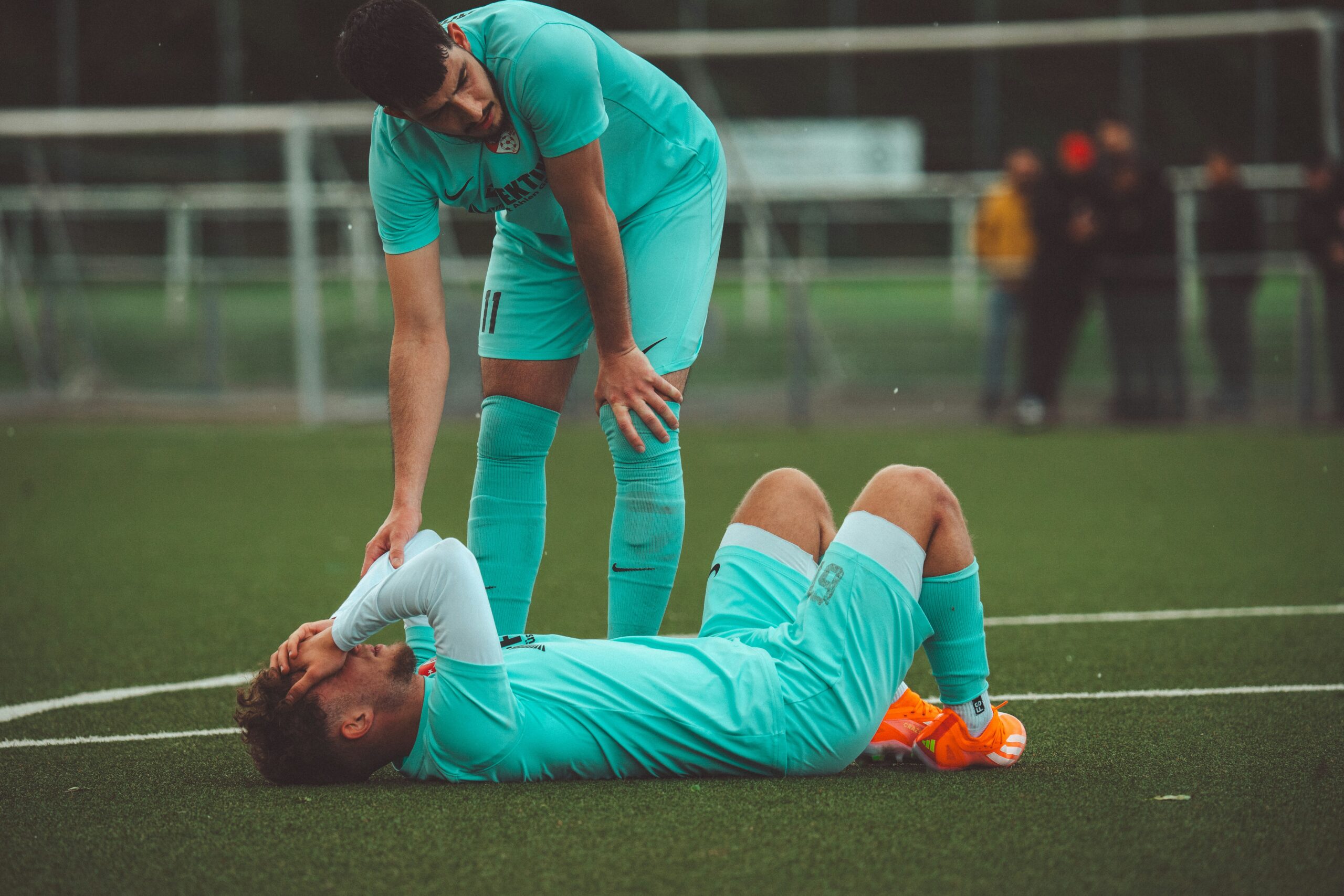

The first few weeks of a new sports season are, statistically, the most dangerous. Athletes who spent the summer less active suddenly jump into full-intensity practices, and the result shows up in emergency rooms every fall.
About 2.7 million people under age 24 visited U.S. emergency departments for sports and recreation injuries in 2024, according to sports medicine researchers at Penn State Health, with overuse injuries like ankle sprains and stress fractures among the most common. Most of these aren’t freak accidents — they’re preventable, and experts say the fix starts weeks before the first game.
Get a Preseason Physical
A pre-participation physical isn’t just a form to check off. It gives a doctor the chance to catch lingering issues before they worsen — and Penn State Health notes that athletes frequently underreport old injuries, like a recurring ankle sprain they’ve simply learned to play through. Catching that pattern early can prevent a minor issue from becoming a season-ending one.
Don’t Go From Zero to 100
One of the most common mistakes is treating the first week of practice like a fresh start after a sedentary summer. Experts recommend athletes stay active between seasons — ideally training at least twice a week — through simple, low-pressure movement like walks, bike rides, or group runs with friends, rather than sitting still all summer and ramping up all at once in August.
Warm Up, Cool Down, Actually Do It
Skipping warmups to save time is a habit worth breaking. Proper warmups prepare muscles for intense activity, and active cooldowns — light swimming, stationary cycling, easy walking — support recovery afterward. Neither takes long, and both measurably reduce injury risk.
Sleep, Hydration, and Nutrition Aren’t Optional
Adolescent athletes need 8 to 10 hours of sleep per night — more than most get, especially once school is back in session. Hydration matters even more in hot weather; experts recommend increasing fluid intake starting two days before any intense activity in the heat, not just on the day of. Nutrition should support performance and recovery, without dangerous restriction.
When Soreness Is Normal — and When It Isn’t
Some muscle soreness after a hard practice is expected, and it should improve within three to four days of rest. Pain that persists or gets worse is a different story — that’s the pattern that precedes stress fractures and growth-plate injuries in young athletes, and it warrants a medical evaluation rather than “pushing through it.”
The Bottom Line
Most preventable sports injuries in kids and teens trace back to the same handful of causes: no preseason conditioning, skipped warmups, not enough sleep, and ignoring early pain signals. None of these require expensive equipment to fix — just planning ahead of the first whistle.
Sources: Penn State Health — Back-to-Sports Season: Injury Prevention Tips for Young Athletes; FIU News — How to Prevent Common Sports Injuries: Tips From Sports Medicine Experts