
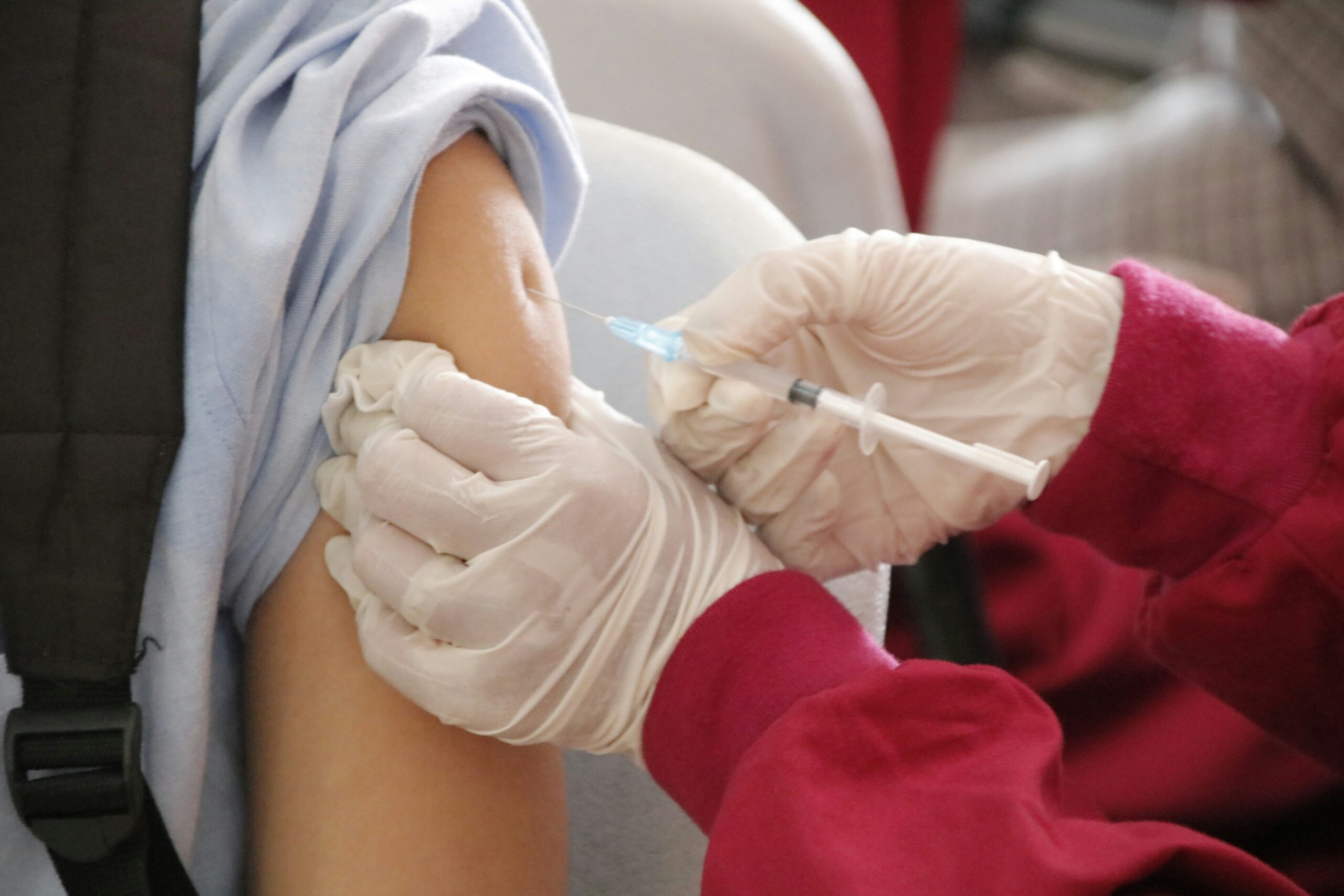

If you’ve tried to figure out when to get your flu shot this year, you’re not imagining things: the guidance is genuinely messier than usual. For the first time in recent memory, some major independent medical groups have issued their own vaccine recommendations that don’t line up cleanly with federal guidance, leaving a lot of people unsure who to listen to. Here’s what’s actually changed, and a straightforward plan for getting vaccinated without the headache.
Why the guidance feels different this year
In past years, most people simply followed whatever the CDC’s Advisory Committee on Immunization Practices recommended and called it a day. This season, several prominent medical organizations have reaffirmed and, in some cases, issued their own flu, COVID, and RSV vaccine guidance independent of federal messaging — a shift that reflects broader disagreements over vaccine policy at the federal level. The practical effect for ordinary people: pharmacists, pediatricians, and news coverage may all be citing slightly different sources, which is understandably confusing when you’re just trying to figure out whether to schedule an appointment this week or wait.
The good news is that the underlying medical consensus on who benefits from vaccination hasn’t changed much — it’s mostly the messaging and process around it that has gotten more complicated.
What’s new in this year’s flu vaccine
According to the CDC, all three viral components of the 2026–2027 seasonal flu vaccines were updated compared to last year, including new coverage for an influenza A(H3N2) subclade that circulated widely during the 2025–2026 season. That’s a meaningful update — flu strains drift from year to year, and a vaccine that matches the currently circulating strains more closely tends to offer better protection than one that doesn’t. The FDA has also said it expects an adequate and diverse supply of approved flu vaccines this season, so availability shouldn’t be a major barrier for most people.
Flu vaccines remain approved for anyone aged 6 months and older, across both egg-based and cell/recombinant formulations, which target slightly different combinations of H1N1, H3N2, and B/Victoria lineage strains depending on which version you receive.
So when should you actually get vaccinated?
Despite the noise, the practical advice most clinicians still give hasn’t shifted dramatically:
- Most healthy adults and kids: Aim for sometime in September or October, ideally before flu activity starts climbing in your area (typically late fall). Getting it too early in the summer can mean reduced protection by the time flu season peaks in winter.
- Older adults (65+): Timing matters a bit more here since immunity can wane faster; many geriatric and primary care providers suggest early-to-mid October rather than September, unless your provider tells you otherwise.
- Pregnant people: Vaccination is recommended at any point during flu season, and it also helps protect newborns who can’t be vaccinated themselves in their first months.
- COVID and RSV vaccines: these follow separate eligibility rules based on age and risk factors — if you’re unsure whether you qualify for an RSV vaccine or an updated COVID booster this year, that’s a specific, quick question worth asking your pharmacist directly rather than guessing.
What to do if the guidance feels contradictory
If you see conflicting information between a general news article, a federal health agency, and your own doctor’s office, the most reliable move is to ask your pharmacist or primary care provider directly which vaccines you’re eligible for and when they recommend getting them — they’re following clinical guidance in real time and can cut through the noise faster than trying to reconcile competing public statements yourself. Most pharmacies (chain and independent) are already offering flu shots, and many are also offering updated COVID and RSV vaccines for eligible patients in the same visit.
Bottom line: the science behind who benefits from these vaccines hasn’t fundamentally changed this year — mainly the public messaging around it has gotten louder and more fragmented. If you fall into a higher-risk group (65+, pregnant, young children, or someone with a chronic health condition), don’t let the confusion be a reason to delay; ask your provider directly and get on the calendar for September or October.
Sources: