
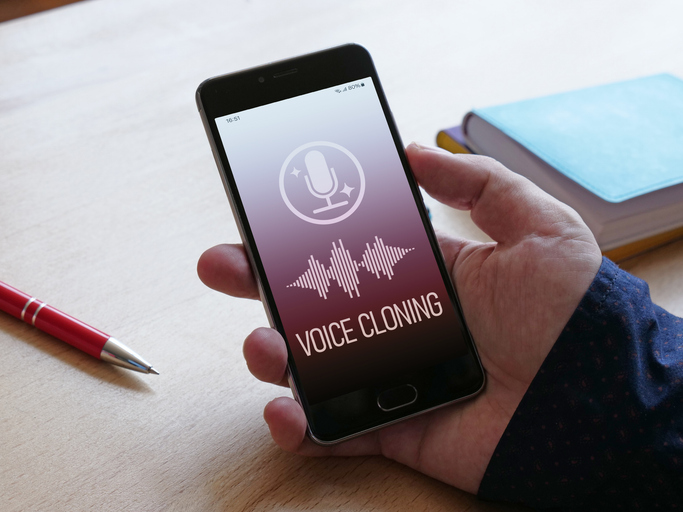

The phone rings. It’s your grandson’s voice — shaky, scared, saying he’s been in an accident and needs money wired immediately, don’t tell Mom and Dad. Except it isn’t him. It’s a voice generated by an AI tool trained on a few seconds of audio pulled from a social media video, and the “accident” is a script scammers have been refining for years. The Federal Trade Commission has been actively warning this fall that AI voice-cloning is supercharging one of the oldest scams in the book, and the warning signs have changed enough that even cautious people are getting fooled.
What’s different now
The classic “grandparent scam” or “family emergency scam” isn’t new — it’s been run over the phone with a stranger’s voice and a flimsy excuse (“I have a cold,” “this connection is bad”) for a long time. What’s changed is the barrier to entry. Cheap, widely available AI voice-cloning tools can now produce a convincing replica of someone’s voice from a short clip — sometimes just seconds of audio lifted from a public video or voicemail greeting. According to the FTC, that’s exactly what’s fueling a new wave of these calls, where the panicked voice on the other end sounds unmistakably like a real family member.
The red flags that still hold up
Even with a cloned voice, scammers are still working from the same emotional playbook, and the tells are mostly the same ones consumer protection groups have flagged for years:
- Manufactured urgency. The caller insists you need to act immediately, before you have time to think it through or call anyone else.
- Unusual payment requests. Wire transfers, gift cards, and cryptocurrency are the preferred methods because they’re difficult or impossible to reverse.
- Secrecy. You’re told not to tell other family members “to avoid worrying them” — which conveniently prevents you from fact-checking the story with someone else.
- A number you don’t recognize, or caller ID that doesn’t match the contact you have saved, even though the voice sounds right.
A simple verification habit that beats any amount of caution
Because the voice itself is no longer a reliable way to confirm identity, the fix has to happen outside the call:
- Hang up and call back using a phone number you already have saved for that person — never a number the caller gives you.
- Set a family “safe word.” Agree on a word or question in advance that only real family members would know, and ask for it if anyone calls in a supposed emergency.
- Slow down on purpose. Legitimate emergencies rarely require you to wire money in the next ten minutes without confirming anything.
- Verify through a second channel — a text, a call to another family member, or reaching out to the person directly through an app you already use with them.
If you’ve already sent money
Time matters. Contact your bank or the payment service immediately to see whether a transfer can be stopped or reversed, especially if it was made within the last day. Report the scam to the FTC at ReportFraud.ftc.gov and to your local police department — even if you don’t expect to recover the money, the report helps investigators track patterns and can support fraud-alert flags on your accounts.
The takeaway
Voice is no longer proof of identity. As AI voice tools get cheaper and more convincing, the only durable defense is a verification habit that doesn’t rely on how someone sounds — a callback, a safe word, and a willingness to pause before acting on a frightening phone call.
Sources: