
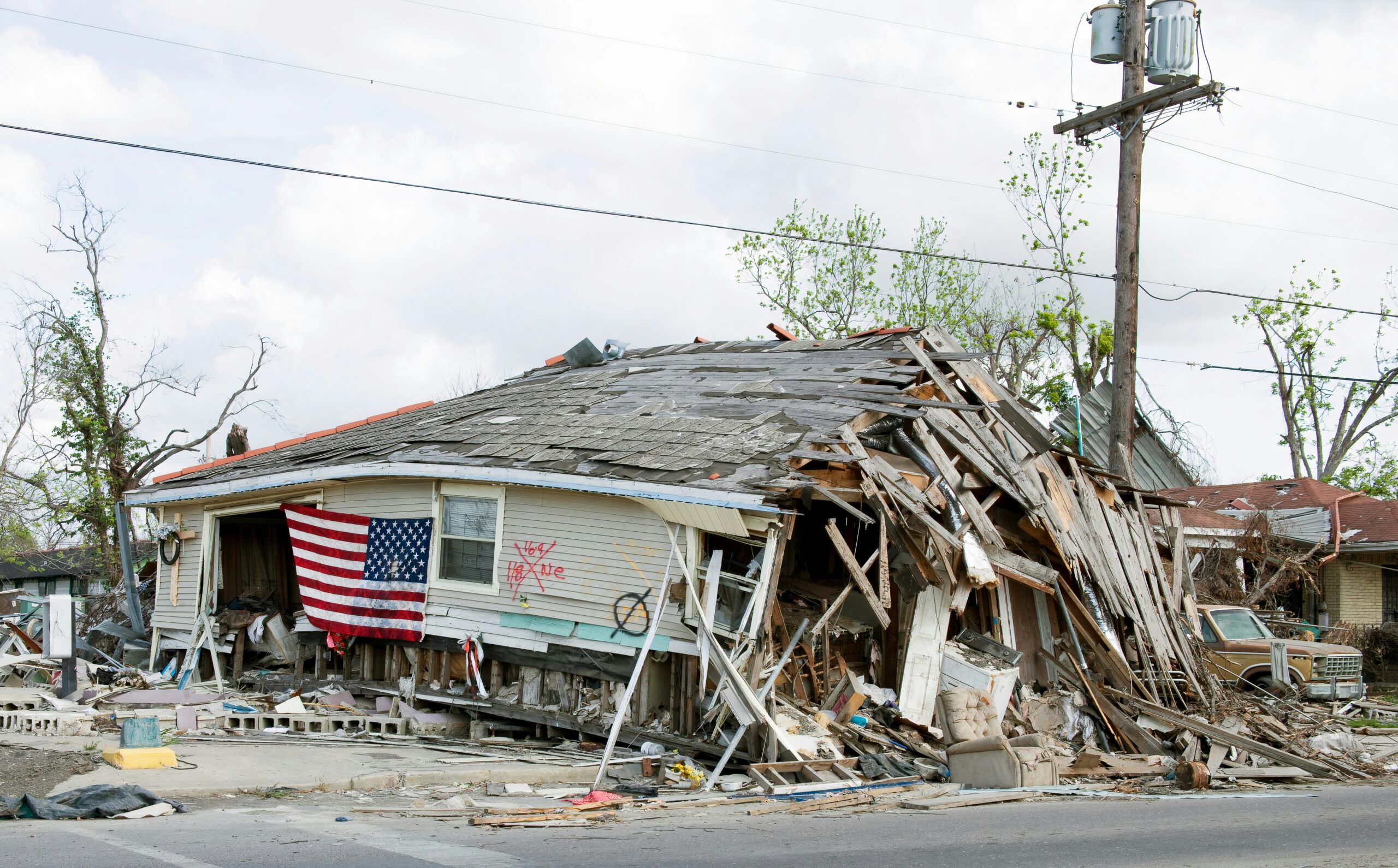

September is National Preparedness Month, and the Federal Trade Commission just used the occasion to issue a timely reminder: the scammers who show up after hurricanes, wildfires, floods, and tornadoes are just as predictable as the disasters themselves. As the FTC put it in its latest consumer alert, “scammers are always looking for ways to steal people’s money and personal information,” and after emergencies they frequently pose as government officials, charities, or contractors — exactly when people are most stressed and least likely to double-check who they’re dealing with.
Here’s what the FTC is actually recommending, and how to put it into practice before you ever need it.
Why scammers target disaster survivors specifically
Emergencies create a perfect environment for fraud: people are displaced, overwhelmed, and often need to make fast decisions about repairs, insurance claims, or emergency assistance. Scammers exploit that urgency by impersonating trusted figures — a FEMA inspector, a charity collecting donations, or a contractor who “can start today.” Because these interactions often happen quickly, by phone, text, or door-to-door, many victims don’t realize anything was wrong until money or personal information is already gone.
The FTC’s core message is that most of the effective protection happens before disaster strikes, not after — which is why the alert frames this as a preparedness issue rather than just a fraud-awareness one.
The FTC’s 6 recommended prep steps
- Review your insurance coverage now. Know what your homeowners, renters, or flood policy actually covers for disaster-related expenses before you’re filing a claim under pressure.
- Digitize your important documents. Scan IDs, insurance policies, medical records, and financial documents, and store them with strong password protection — physical copies can be destroyed, and you’ll need these for claims or aid applications.
- Create a household inventory with photos. A simple photo or video walkthrough of your home and belongings makes insurance claims faster and harder to dispute.
- Vet contractors before you need one. Check references and online reviews in advance, so you’re not choosing a stranger who shows up unsolicited right after a storm. Legitimate contractors won’t pressure you to sign or pay on the spot.
- Register for local emergency alerts. Sign up for your county or city’s official alert system so you’re getting real information from a verified source, not word-of-mouth or social media rumors.
- Make a plan for your pets. Emergency shelters don’t always accommodate animals, so know in advance where you’d take pets if you needed to evacuate.
Red flags that signal a scam, not a legitimate offer
- Anyone asking for payment via gift cards, wire transfer, or cryptocurrency — legitimate contractors, charities, and government agencies don’t request these.
- Pressure to sign a contract or pay a deposit immediately, especially from someone who approached you unsolicited.
- Claims of being a “government inspector” who charges a fee — FEMA and other federal disaster assistance programs do not charge for inspections or applications.
- Charities you’ve never heard of asking for donations right after a disaster makes headlines; verify any charity through a service like Charity Navigator or the BBB Wise Giving Alliance before donating.
- Anyone who can’t provide a local business address, license number, or references on request.
A simple prep checklist you can do this weekend
If you only have twenty minutes, prioritize these two things from the FTC’s list: take photos of your home and belongings room by room, and scan your insurance policy and ID documents into a password-protected folder (cloud storage works fine, as long as it’s secured). Both take almost no time now and save enormous stress later — whether or not you ever end up dealing with a scammer, they’ll make any real claims process faster too.
The bigger picture here is that disaster scams aren’t random — they follow a predictable playbook every single year. Knowing that playbook in advance is most of what it takes to avoid falling for it.
Sources: