
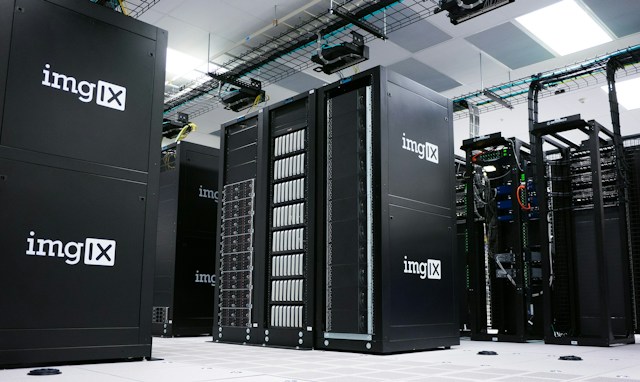

Artificial intelligence may live in the cloud, but the infrastructure powering it is increasingly becoming a very local issue.
That reality was on full display in Memphis on October 6, 2026, when a highly anticipated City Council vote over a proposed data center moratorium ended amid protests, arguments and a physical altercation outside the council chamber. According to Action News 5, more than 100 people attended the meeting, where council members ultimately voted to postpone consideration of the measure until October 20.
The chaotic meeting attracted attention, but the larger story is not the confrontation at City Hall. It is the increasingly difficult question communities across the United States are being forced to answer:
How quickly should cities allow massive data centers to expand when the economic opportunities they create may also come with significant demands on electricity, water and local infrastructure?
Memphis has become one of the clearest examples of that debate.
Why Memphis Is Debating a Data Center Moratorium
The proposed Memphis ordinance would temporarily pause certain new data center development while city officials consider longer-term regulations.
The Memphis City Council’s public meeting records show that data center regulation has been under discussion for months, including proposed temporary moratorium language and presentations addressing the potential effects of data center development.
Councilman J.B. Smiley Jr., one of the leading supporters of a moratorium, has argued that a temporary pause would give Memphis an opportunity to establish permanent zoning regulations before additional projects move forward.
The issue has become particularly significant because Memphis is home to major AI computing infrastructure, including xAI facilities associated with its Colossus supercomputer operations.
That development has turned what might once have been a relatively obscure zoning discussion into a broader conversation about the physical cost of the AI boom.
AI Requires an Enormous Amount of Physical Infrastructure
It is easy to think of artificial intelligence as software. In reality, modern AI systems require enormous facilities filled with high-powered processors, networking equipment and cooling systems.
Those systems require electricity around the clock.
The International Energy Agency reported that worldwide electricity consumption from data centers increased by approximately 17% in 2025. Electricity consumption from AI-focused data centers grew even faster.
The growth is significant enough that energy planners are beginning to rethink assumptions that guided the electric grid for decades.
In the United States, the Department of Energy has previously projected that electricity demand associated with data centers could double or triple between 2023 and 2028.
More recent projections from the IEA indicate that data centers could account for roughly half of the growth in U.S. electricity demand through 2030.
That doesn’t mean data centers are inherently harmful. They provide the computing power behind AI, cloud services, streaming platforms, online businesses, scientific research and countless other digital services.
But their scale creates challenges that cities cannot simply treat like another office building or warehouse.
The Debate Is Really About Who Bears the Cost of Growth
Supporters of large data center projects frequently point to economic development, construction spending, technological investment and the importance of maintaining U.S. leadership in artificial intelligence.
Those arguments carry real weight.
Data centers represent billions of dollars in investment nationally, and communities that reject large technology projects risk watching those investments move elsewhere.
At the same time, residents increasingly want assurances that infrastructure designed to support industrial-scale computing will not negatively affect the people already living nearby.
Among the most common concerns are:
- Electricity demand and grid capacity
- Water consumption for cooling systems
- Noise from equipment and backup generation
- Air quality
- Infrastructure upgrades
- Land use and zoning
- The financial responsibility for utility expansion
- The proximity of industrial facilities to residential neighborhoods
Memphis Light, Gas and Water has created a dedicated information page addressing xAI, explaining its role in providing electricity, natural gas and water services and responding to questions surrounding the project.
The existence of that resource demonstrates how unusual the scale of these facilities can be. A major AI computing center is not simply another commercial utility customer. Its energy requirements can become a matter of broader public interest.
Data Centers Are Becoming a National Policy Issue
Memphis is hardly alone.
Communities across the country are reconsidering zoning rules, electricity planning and development policies as AI companies race to secure computing capacity.
Even at the federal level, electricity planners are preparing for dramatically larger industrial loads.
The Department of Energy’s National Transmission Needs Study describes the United States as entering a new era of electricity demand driven partly by hyperscale AI data centers and advanced manufacturing.
The problem is that digital infrastructure can often be constructed much faster than electrical infrastructure.
According to the International Energy Agency’s Energy and AI analysis, a data center may be developed in only a few years, while building new power generation and transmission infrastructure can require much longer planning and construction timelines.
That creates an obvious tension.
Technology companies want to move quickly because the AI industry is evolving at extraordinary speed. Utilities, regulators and communities must consider infrastructure that could remain in place for decades.
Why Moratoriums Are So Controversial
A temporary moratorium can sound dramatic, but supporters generally view it as a planning tool rather than a permanent ban.
The argument is straightforward: temporarily slow development while governments create regulations addressing utilities, zoning, environmental impacts and community concerns.
Opponents see a different risk.
If permitting becomes unpredictable or development is repeatedly delayed, companies may simply build somewhere else. Cities could potentially lose investment, tax revenue and opportunities connected to one of the fastest-growing areas of the technology economy.
Finding the balance between those positions may become one of the biggest local policy challenges created by artificial intelligence.
Rapid Development Can Affect Communities in Unexpected Ways
Large technology developments also produce effects beyond the walls of a data center. Construction activity, utility projects, increased industrial traffic and changes to surrounding roads can alter neighborhoods as projects grow.
Those changes make traditional questions about public safety and accountability just as important as the technology itself. When someone is injured because another person or business allegedly acted negligently, speaking with a personal injury lawyer in Memphis can help clarify the legal options available under Tennessee law.
That broader point is easy to overlook amid discussions about servers and artificial intelligence: technology infrastructure still exists in physical communities, where ordinary rules involving safety, land use and responsibility continue to apply.
Memphis Could Become a Model for Other Cities
What happens next in Memphis will be worth watching well beyond Tennessee.
As of October 7, the proposed moratorium has not been approved or rejected. Following the disruption at the October 6 meeting, the City Council postponed the matter until October 20, 2026.
Whatever decision council members ultimately make, the underlying issue is unlikely to disappear.
AI development is accelerating. Data center electricity consumption is rising. Utilities are preparing for unprecedented new loads, while residents are demanding greater transparency about what large technology projects mean for their neighborhoods.
The real challenge for Memphis — and increasingly for cities around the country — is not deciding whether technological progress should continue.
It is deciding how communities can accommodate that progress without surrendering their ability to shape what happens around them.
The confrontation in Memphis may have been unusually dramatic, but the debate behind it is becoming remarkably common.
As artificial intelligence becomes more powerful, the infrastructure behind it will become harder to ignore. The future of AI will not be determined exclusively inside Silicon Valley laboratories or corporate boardrooms.
Increasingly, it will also be decided in utility offices, zoning hearings and city council chambers across America.