
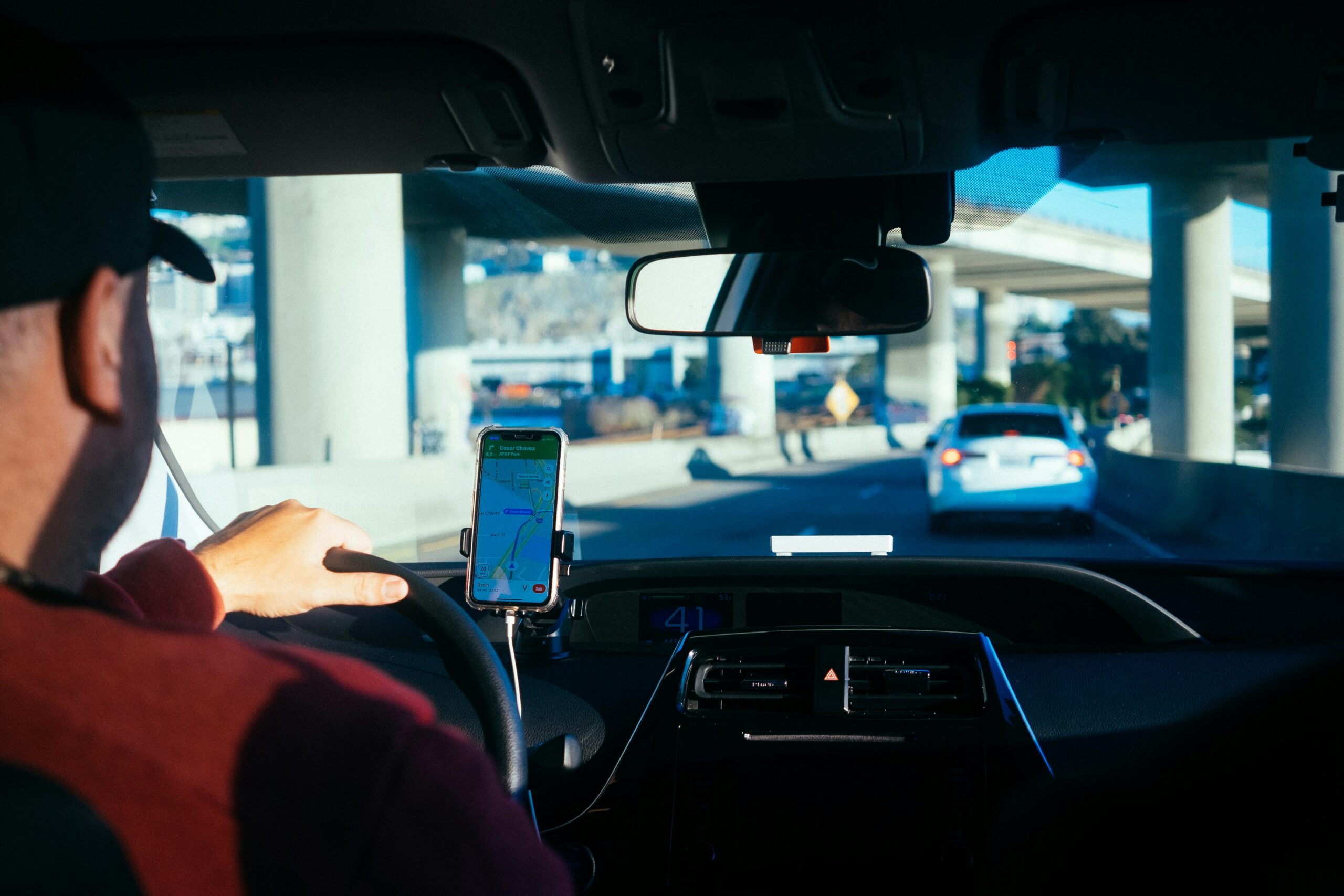

Most of us have climbed into an Uber, glanced at our phone, and thought nothing of the car around us. But on September 26, 2025, a driver named Wondafrash Gebreyes Gebremedihen got behind the wheel of a 2025 Tesla Model Y on the I-405 San Diego Freeway in California — and that ordinary ride became anything but.
According to a lawsuit filed in the U.S. District Court for the Central District of California, Gebremedihen’s vehicle was traveling at high speed when it struck a freeway entrance sign and then slammed into a concrete wall. The car burst into flames. And when passersby rushed over to help, they couldn’t get the driver-side door open — not from the outside.
It took a bystander smashing through the window to pull Gebremedihen out just before the fire fully engulfed the vehicle. He survived, but court documents describe the injuries as “catastrophic” and “life-threatening.”
Now he’s suing Tesla. And this lawsuit is far from an isolated incident.
What the Lawsuit Actually Says
The case — Wondafrash Gebreyes Gebremedihen v. Tesla, Inc., et al. — centers on a design feature that has quietly become one of the EV industry’s most dangerous tradeoffs: the electronic, flush-style door handle.
Unlike a traditional mechanical handle that physically releases a latch, Tesla’s door handles on the Model Y and other models rely on electronics to function. They retract flush with the door when not in use — sleek and aerodynamic, yes. But according to the lawsuit, if a crash causes a loss of vehicle power, those doors simply cannot be opened from the outside.
The suit also raises a secondary problem: while there is a manual interior release, it’s not useful if the occupant is incapacitated. If you’re unconscious, dazed, or injured in a crash, you may not be able to operate the manual release — and no one outside the vehicle can help you.
“Good Samaritans attempted to render aid to Plaintiff, but the driver-side door of the subject Tesla Model Y could not be opened from the outside of the vehicle, trapping Plaintiff inside the burning vehicle.”
— Lawsuit filing, Gebremedihen v. Tesla, Inc., et al.
This is not a fringe design quirk limited to Tesla. Autoblog notes that thousands of modern vehicles now carry similar electronic door handle systems, many without clearly marked or easily accessible manual releases — and those designs are not standardized. A first responder at a crash scene may have no idea how to open a door they’ve never encountered before.
This Isn’t Tesla’s First Rodeo
The Gebremedihen lawsuit is part of a pattern that has been building for years. Tesla has faced multiple lawsuits tied to door handle failures, including at least one case in which a trapped occupant died. A separate suit was also filed by a Model S owner alleging the defective flush handles hurt the vehicle’s resale value.
The legal pressure is real. But what makes the Gebremedihen case particularly notable is the Uber angle. This wasn’t a solo driver making an informed purchase decision about a vehicle’s quirks. This was a gig economy worker, driving professionally, in a car whose emergency exit behavior he may not have been fully briefed on. His passengers — on other rides, before this crash — were riding in that car too.
If you’ve ever been a passenger in an Uber, Lyft, or rideshare and needed help after an accident, this case is about you. Riders in these situations deserve the same protection as any other road user. That’s a consideration that extends well beyond California — and one reason why a Hermitage, TN uber accident lawyer or any rideshare attorney across the country should be watching this litigation closely.
Regulators Are Starting to Pay Attention
The legal system isn’t the only mechanism responding to this issue. China has already officially banned electronic flush-style door handles due to safety concerns — a significant move from a country that represents one of Tesla’s largest markets.
In the United States, a federal lawmaker introduced the SAFE Exit Act in January, which would require all vehicles sold in the U.S. to feature clearly identifiable and easily accessible manual door releases. The bill has been endorsed by Consumer Reports, which has been independently documenting the hazards of electronic handle designs.
That kind of consumer advocacy organization endorsement matters. When Consumer Reports backs safety legislation, automakers and Congress tend to listen — eventually.
The concern has also surfaced in unexpected ways among everyday EV owners. A Rivian R1S owner publicly tested his own SUV’s emergency door releases and concluded his children would be unable to escape in a crash. That kind of real-world finding — not from a lab, but from a parent — tends to resonate with the public in ways that abstract safety data simply doesn’t.
The Broader Problem: Design Over Safety
The flush door handle is a perfect case study in how automotive design can quietly prioritize aesthetics and aerodynamics at the expense of safety. The handles improve a vehicle’s drag coefficient, they look clean and futuristic, and they’re a signature part of Tesla’s visual identity. But every one of those benefits is secondary to whether someone can escape a burning car.
The National Highway Traffic Safety Administration (NHTSA) has broad authority over vehicle safety standards. Whether it moves to act ahead of congressional legislation remains to be seen. But the accumulation of lawsuits, international bans, and proposed U.S. legislation suggests that the window for voluntary industry correction is closing.
Tesla, for its part, has not changed its door handle design across its current lineup in response to these cases. That may become increasingly difficult to defend in court — and in public — as incidents like the one on the I-405 continue to come to light.
What This Means for Drivers and Passengers
If you drive a Tesla — or any EV with electronic door handles — it’s worth taking five minutes to locate and practice using the manual interior release before you ever need it. That information is in your owner’s manual and, for most Tesla models, involves a small mechanical pull tab near the door latch. Know where it is.
If you’re a rideshare driver operating a vehicle with these handles, the same applies. You’re not just responsible for your own safety — you’re responsible for your passengers’ ability to exit in an emergency.
And if you’re involved in a crash involving a rideshare vehicle — whether you’re the driver or a passenger — understanding your legal rights matters. The intersection of vehicle defect claims, gig economy liability, and personal injury law is genuinely complex, and the Gebremedihen case may help establish precedent that shapes how these claims are handled going forward.
The fire on the I-405 was survivable. The next one may not be — unless the industry, lawmakers, and courts act before it happens again.