
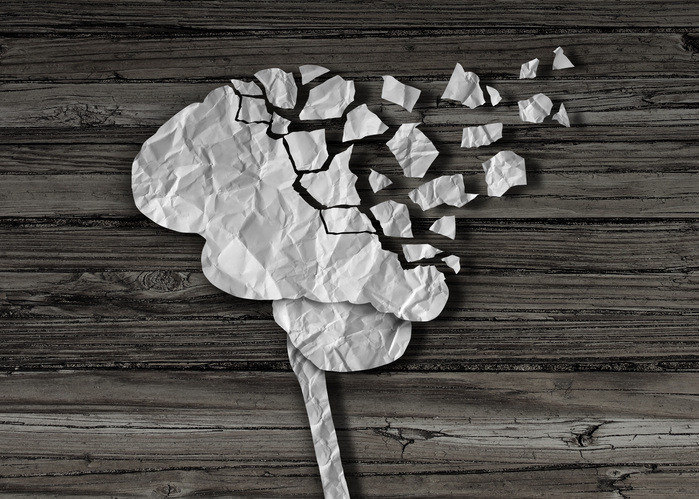

Traumatic brain injuries (TBIs) are a significant public health concern, affecting millions of people each year and leaving lasting impacts on individuals and their families. From car accidents to workplace mishaps, TBIs can occur in countless scenarios, often with life-altering consequences. This article explores the causes, symptoms, and long-term effects of TBIs, offering insights into why awareness and timely action are critical. For those navigating the aftermath, understanding these injuries can guide recovery and legal steps to secure fair compensation.
What Is a Traumatic Brain Injury?
A traumatic brain injury occurs when an external force, such as a blow or jolt to the head, disrupts normal brain function. According to the Centers for Disease Control and Prevention (CDC), TBIs contribute to about 2.8 million emergency department visits, hospitalizations, and deaths annually in the U.S. TBIs range from mild (e.g., concussions) to severe (e.g., penetrating injuries), with severity depending on the force and context of the injury. Unlike other injuries, TBIs can affect cognitive, emotional, and physical functions, making them uniquely challenging.
Common Causes of TBIs
TBIs can stem from various incidents, many of which are preventable with proper safety measures. The most common causes include:
-
Motor Vehicle Accidents: Collisions, such as those discussed in Web Geekly’s coverage of hit-and-run crashes, are a leading cause of TBIs. The sudden impact can cause the brain to collide with the skull, leading to bruising or bleeding.
-
Falls: The National Institute of Neurological Disorders and Stroke (NINDS) notes that falls, especially among the elderly and young children, account for a significant portion of TBIs.
-
Sports Injuries: Contact sports like football or cycling, popular in active cities like Portland, often result in concussions or more severe TBIs.
-
Workplace Incidents: Construction sites, as highlighted in Web Geekly’s story pole article, pose risks due to falling objects or equipment mishandling.
-
Assaults: Violent incidents, including blunt trauma to the head, can lead to TBIs with lasting consequences.
Understanding these causes underscores the importance of safety protocols, such as wearing helmets or seatbelts, to reduce risk.
Recognizing TBI Symptoms
TBI symptoms vary widely based on severity and the area of the brain affected. Mild TBIs, like concussions, may present immediate or delayed symptoms, while severe cases can be life-threatening. Common symptoms include:
-
Physical: Headaches, dizziness, nausea, fatigue, or loss of consciousness.
-
Cognitive: Memory problems, difficulty concentrating, or confusion.
-
Emotional: Mood swings, irritability, or depression, which may persist long after the injury.
-
Severe Cases: Seizures, slurred speech, or coma, requiring immediate medical attention.
The Mayo Clinic emphasizes that symptoms may not appear immediately, making it critical to seek medical evaluation after any head trauma. Delayed treatment can worsen outcomes, especially for children or the elderly.
Long-Term Impacts of TBIs
The long-term effects of TBIs can be profound, affecting every aspect of a person’s life. According to the Brain Injury Association of America (BIAA), even mild TBIs can lead to chronic issues, such as:
-
Cognitive Challenges: Persistent memory loss, reduced problem-solving skills, or difficulty with multitasking can hinder work and daily life.
-
Emotional and Behavioral Changes: Depression, anxiety, or personality changes can strain relationships and mental health.
-
Physical Disabilities: Severe TBIs may cause motor impairments, chronic pain, or epilepsy, requiring ongoing care.
-
Financial Burdens: Medical bills, rehabilitation costs, and lost wages can create significant economic strain. The CDC estimates that TBIs cost the U.S. economy billions annually due to healthcare and productivity losses.
These impacts highlight the need for comprehensive recovery plans, including medical, psychological, and legal support.
Why Awareness and Action Matter
Raising awareness about TBIs is crucial for prevention and recovery. Public education on safety measures, like those discussed in Web Geekly’s articles on hit-and-runs and cannabis DUIs, can reduce incidents. For those affected, early diagnosis and treatment are vital to mitigate long-term damage. Moreover, pursuing legal recourse can help cover costs and hold responsible parties accountable, especially in cases involving negligence, such as reckless driving or unsafe workplaces.
Taking the Next Steps
If you or a loved one has experienced a TBI, seeking medical and legal guidance is essential. A healthcare provider can assess the injury’s severity and recommend treatment, while a legal professional can help navigate compensation claims. In Portland, those affected can Contact Mayor Law for specialized support in pursuing justice and financial recovery. By understanding TBIs and taking proactive steps, victims can better manage the challenges and work toward a brighter future.